Understanding Food Triggers for Migraines
Understanding Food Triggers for Migraines
Migraine suffers often find themselves battling these debilitating headaches. For some, migraines can feel all-consuming. They can interfere with work, social life, and even daily routines. But did you know that your diet can play a significant role in triggering migraines?
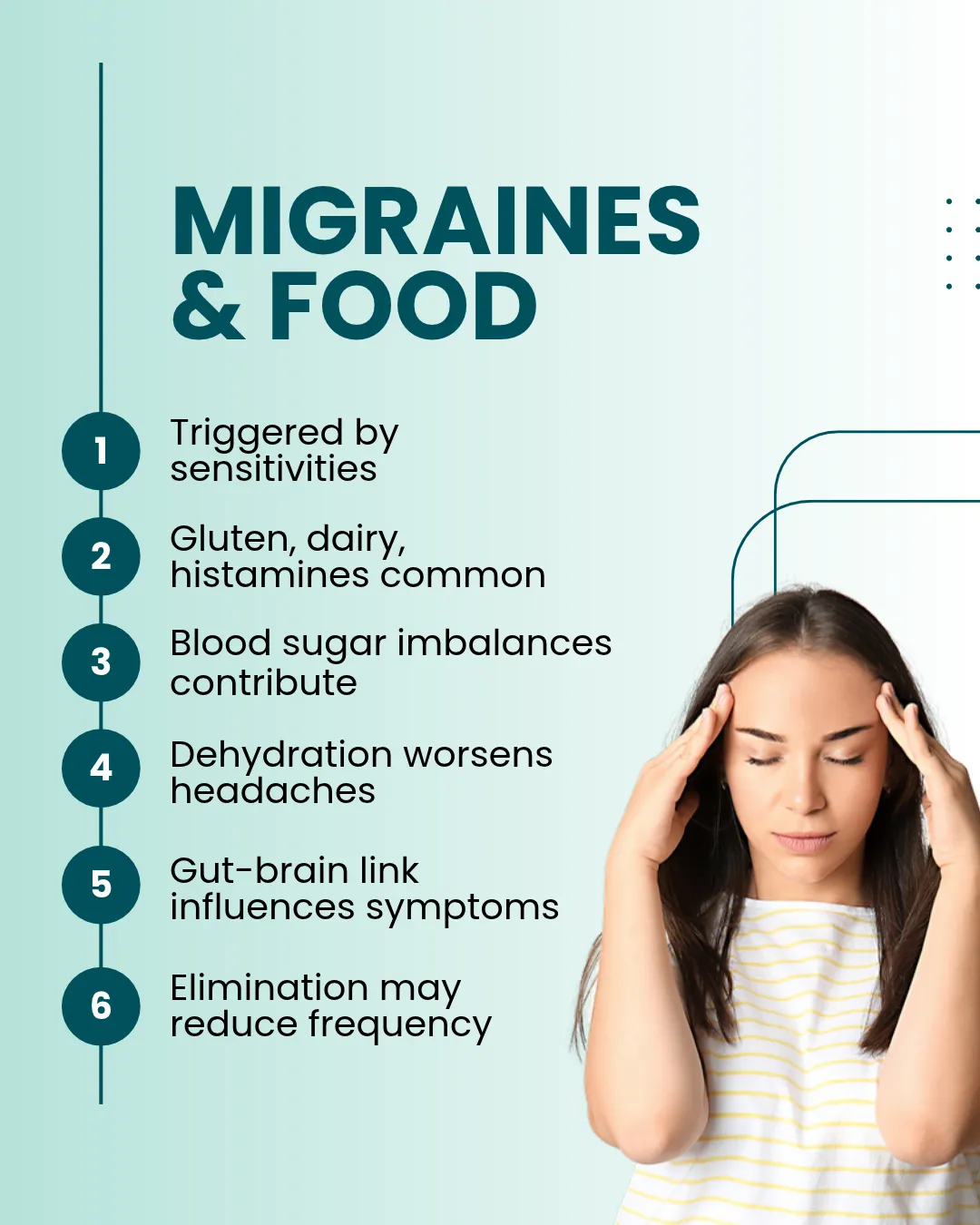
1. Recognizing Sensitivities
Many people with migraines have sensitivities. These can be certain foods that trigger their headaches. Sensitive foods often lead to inflammation, which can contribute to a migraine attack.
- Common triggers include gluten, dairy, and foods with high histamine content.
- Elimination diets can help identify which foods are causing issues.
2. Gluten, Dairy, and Histamines
Three common offenders for those with migraines are gluten, dairy, and histamines. When consumed in large amounts, they can trigger symptoms.
Helping individuals understand their own body’s reaction to these foods can be crucial. If you're someone who frequently gets migraines, consider whether these foods may be part of the problem.
3. Blood Sugar Imbalances
Staying steady on your blood sugar levels can sometimes feel like a balance beam act. If blood sugar levels drop too low or spike too high, migraines may be triggered. Eating balanced meals throughout the day can help keep blood sugar levels stable.
- Small, frequent meals can prevent significant drops in blood sugar.
- Focus on complex carbohydrates and lean proteins.
4. The Role of Hydration
Our bodies are made up of about 60% water. This means staying hydrated is key to preventing and managing migraines.
If dehydration occurs, the body can trigger a headache as a way of signaling an imbalance. Make sure to drink plenty of water throughout the day.
- Avoid too much caffeine; it can dehydrate the body.
- Carry a water bottle to help remind you to stay hydrated.
5. Gut-Brain Connection
Did you know that your gut and brain are linked? Sometimes, what happens in our gut can affect how our brain feels, leading to migraines.
Improving gut health can potentially reduce migraines. Consider probiotics or consult with a healthcare provider to improve your gut-brain connection.
6. Benefits of Elimination Diets
One way to identify food triggers is through elimination diets. By removing common food triggers from your diet, and then reintroducing them one at a time, you can pinpoint what may be causing migraines.
This process gives people a hands-on approach to managing their symptoms.
Conclusion
Migraines can be incredibly disruptive. But by understanding the relationship between diet and migraines, individuals can take significant steps toward managing their symptoms. Paying attention to food triggers, staying hydrated, and considering an elimination diet might reduce migraine attacks. If migraines persist, always seek advice from a healthcare professional.