Sinus Relief: The Food Connection
Understanding the Connection Between Sinus Issues and Diet
Many people suffer from chronic sinus issues, experiencing symptoms like congestion, headaches, and difficulty breathing. While these problems are often attributed to allergies or infections, an important yet overlooked factor is diet. Understanding how food impacts sinus health is key to finding relief. Let’s explore how certain foods can trigger sinus symptoms and how dietary changes can provide relief.
How Does Diet Affect Sinus Health?
The foods people eat can significantly impact their sinus health. Food sensitivities and intolerances often manifest in ways beyond just digestive issues. They can cause chronic inflammation in the body, leading to sinus congestion and irritation. Here are some common dietary culprits:
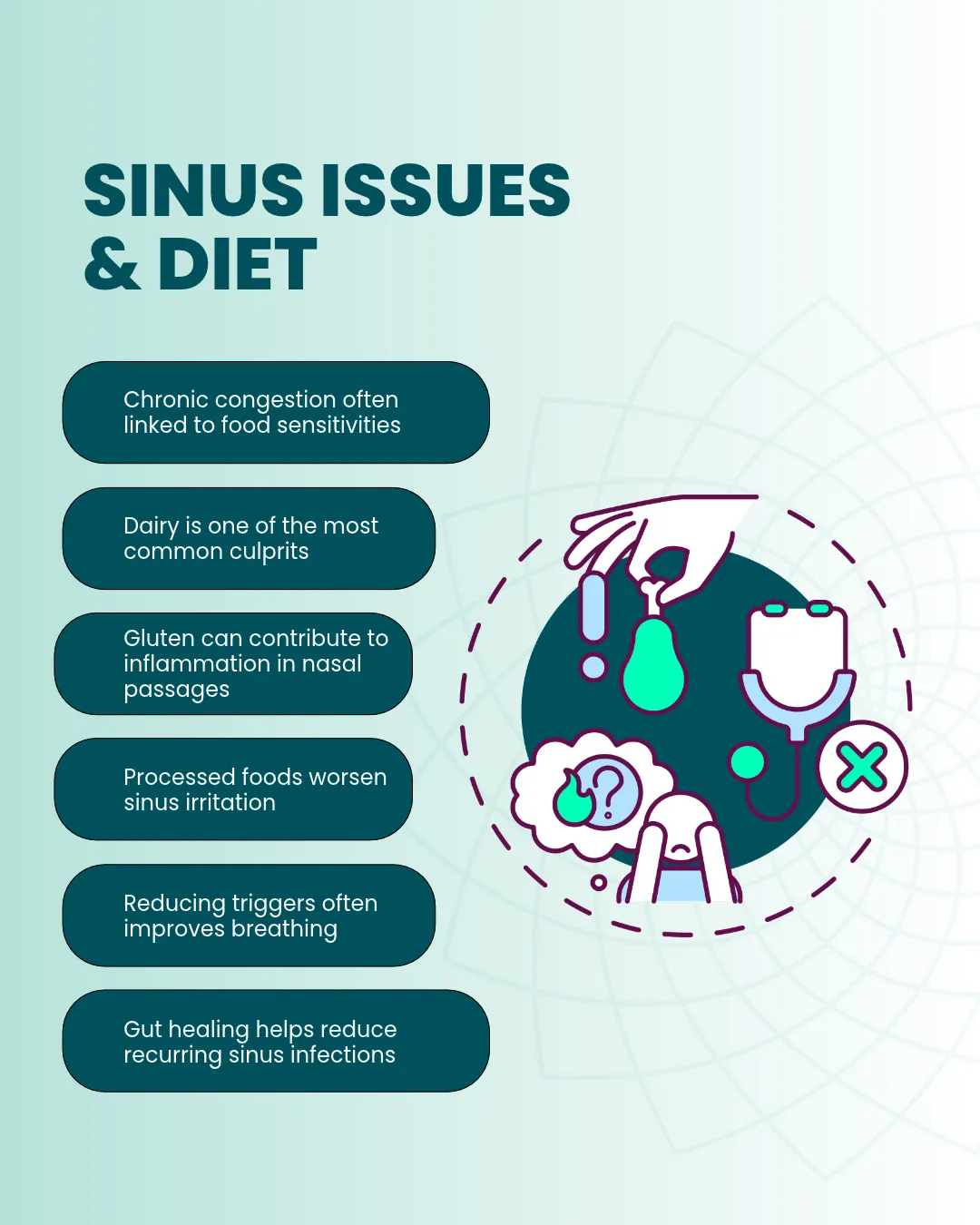
- Dairy Products: Dairy is one of the most common triggers for sinus congestion. Milk, cheese, and yogurt can thicken mucus, making it difficult for it to drain properly from the nasal passages.
- Gluten: Found in wheat, barley, and rye, gluten can lead to inflammation in the nasal passages. For some, eliminating gluten results in noticeable improvements in their breathing.
- Processed Foods: Foods high in preservatives, artificial dyes, and additives can worsen sinus irritation by causing inflammation. It’s best to choose fresh, whole foods over processed ones.
Tips for Reducing Sinus Issues through Diet
Fortunately, making simple dietary changes can lead to significant improvements in sinus health. Here are some strategies to consider:
- Identify Food Sensitivities: Keeping a food diary can help identify foods that trigger sinus symptoms. Eliminating these foods from the diet can often lead to relief.
- Focus on Anti-Inflammatory Foods: Incorporating foods such as leafy greens, berries, and fatty fish can help reduce inflammation and improve overall sinus health.
- Stay Hydrated: Drinking plenty of water keeps the mucus thin and flowing, preventing blockage and promoting clear nasal passages.
- Limit Dairy Intakes: If dairy is a trigger, try alternatives like almond milk or coconut milk. These can help reduce mucus production.
- Eliminate Processed Foods: Choose whole grains, fresh fruits and vegetables, and lean proteins over processed snacks and meals.
The Role of Gut Health in Sinus Issues
Gut health plays an essential role in reducing sinus infections. A healthy gut can absorb nutrients more efficiently and reduce inflammation throughout the body, including the sinuses. Here’s how to support gut health:
- Probiotics: Including probiotics like yogurt or fermented foods can help maintain a healthy balance of bacteria in the gut.
- Fiber-Rich Foods: Foods like whole grains, beans, and vegetables can promote a healthy digestive system and reduce inflammation.
Understanding the connection between food and sinus health is crucial. Through mindful eating and by eliminating food triggers, people can improve their breathing and reduce sinus symptoms. For personalized advice, consulting with a healthcare provider or nutritionist can provide targeted solutions and additional support.