Managing Autoimmune Flares Through Diet
Understanding Autoimmune Flares and Diet
Autoimmune flares can be challenging and frustrating for many individuals. They occur when the body's immune system mistakenly attacks its own tissues, leading to inflammation and a variety of symptoms. However, diet plays a critical role in managing these flares. Understanding the relationship between food and autoimmune responses can empower you to take control of your health.
What Are Autoimmune Flares?
An autoimmune flare is a period of increased disease activity. This can result in symptoms such as fatigue, pain, and swelling. The triggers for these flares can vary, but dietary choices are often a significant factor.
The Role of Inflammatory Foods
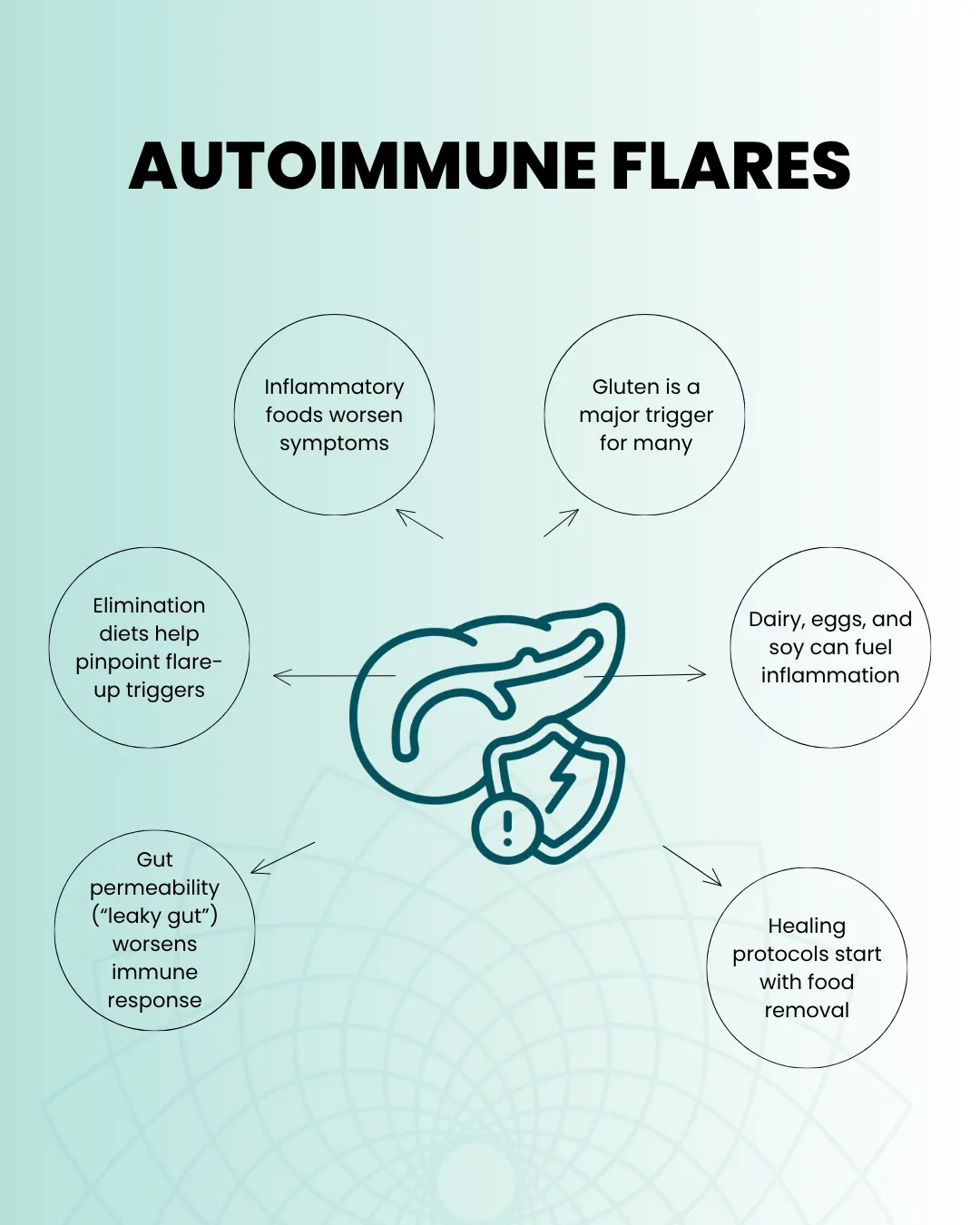
Research suggests that certain foods can trigger inflammation, which in turn exacerbates autoimmune symptoms. These inflammatory foods include:
- Processed sugars
- Refined carbohydrates
- Saturated and trans fats
By minimizing these foods, individuals may experience fewer flare-ups and reduced severity in symptoms.
Gluten as a Common Trigger
Gluten is a protein found in wheat, barley, and rye. For many, it is a major trigger of autoimmune responses. People with conditions like celiac disease or gluten sensitivity may see noticeable improvement in symptoms by eliminating gluten from their diets.
The Impact of Dairy, Eggs, and Soy
For some individuals, dairy, eggs, and soy can contribute to inflammation. Removing these items from the diet can potentially decrease the frequency and severity of autoimmune flares. Testing sensitivities to these foods can be beneficial.
Elimination Diets as a Tool
An elimination diet involves removing specific foods from your diet to determine if they contribute to flares. This process usually involves:
- Removing potential trigger foods for a period of time.
- Reintroducing them one at a time while monitoring symptoms.
By doing this, individuals can identify their personal triggers and adapt their diets accordingly.
Understanding Leaky Gut
Gut permeability, often referred to as “leaky gut,” occurs when the intestinal lining becomes too permeable. This can worsen autoimmune responses as undigested food particles and toxins enter the bloodstream, leading to inflammation. A diet rich in fruits, vegetables, and fibers can support gut health and reduce symptoms.
Starting With Food Removal
Healing protocols often begin with the removal of trigger foods. Once these foods are eliminated, the body can start healing, and individuals can better manage their autoimmune symptoms.
Steps to Take Control
Here are steps you can follow to manage autoimmune flares:
- Keep a food diary to track what you eat and the symptoms you experience.
- Consider an elimination diet to pinpoint food triggers.
- Consult with a healthcare professional or a nutritionist for guidance personalized to your condition.
- Incorporate anti-inflammatory foods, like omega-3 fatty acids, into your diet.
Conclusion
The management of autoimmune flares often starts with the food you eat. By understanding and removing inflammatory triggers, adopting a personalized diet, and focusing on gut health, you can take significant steps toward reducing flare-ups and improving quality of life. It’s important to remember that individual responses vary, so what works for one person might not work for another. Always consult with a healthcare professional for advice tailored to your needs.