Discover the Benefits of Protein for Health
The Power of Protein: A Key to Better Health
When it comes to maintaining a healthy body, protein plays an essential role. It's not just for athletes or bodybuilders. Protein is important for everyone, helping in various ways to keep us strong and healthy. Let's explore some key benefits of this vital nutrient and understand why it should be a part of your daily diet.
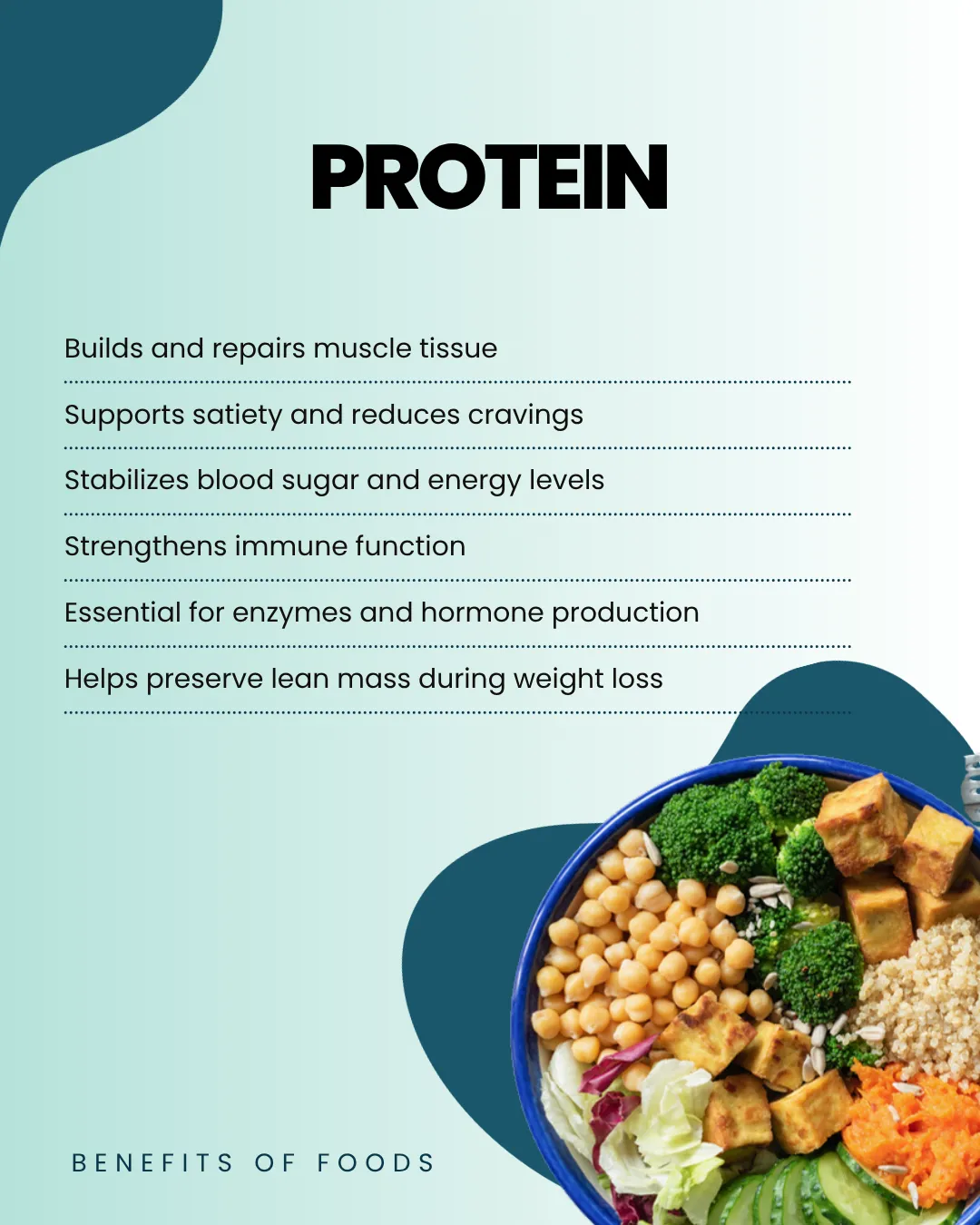
1. Builds and Repairs Muscle Tissue
Protein is known for its role in building and repairing muscle tissue. This is crucial not only for those who exercise regularly but also for people recovering from injuries. Muscles are used in daily activities, and protein helps ensure they stay in good condition.
2. Supports Satiety and Reduces Cravings
Ever notice how a protein-rich meal keeps you feeling full longer? Protein is effective in promoting satiety, which means it reduces hunger and helps you stay satisfied between meals. This can be a great way to manage weight and avoid unhealthy snacking.
3. Stabilizes Blood Sugar and Energy Levels
Maintaining stable blood sugar levels is an important part of managing energy throughout the day. Protein slows down the digestion process, helping to keep blood sugar levels from spiking. This can lead to more consistent energy levels and fewer energy crashes.
4. Strengthens Immune Function
Your immune system relies on protein to function properly. Antibodies, which are proteins, play a key role in defending your body against diseases. A protein-rich diet supports these antibodies, enhancing your body's ability to fight infections.
5. Essential for Enzymes and Hormone Production
Many enzymes and hormones in the body are made from protein. These substances are responsible for a variety of functions, from digestion to mood regulation. Ensuring you get enough protein helps keep these processes running smoothly.
6. Helps Preserve Lean Mass During Weight Loss
When losing weight, it's important to preserve lean body mass, which includes muscle. Protein helps in maintaining this lean mass, ensuring that you're losing fat, not muscle. This can lead to a healthier body composition and better overall health.
Incorporating Protein in Your Diet
Now that you know the importance of protein, let's talk about how you can include it in your diet:
- Choose a variety of protein sources: Include both animal and plant-based proteins like chicken, fish, beans, and lentils.
- Balance your meal: Combine protein with vegetables and whole grains for a well-rounded meal.
- Snack smart: Opt for protein-rich snacks like nuts, yogurt, or hard-boiled eggs.
- Customize your protein intake: Adjust your protein needs based on activity level, age, and health goals.
Understanding the role of protein can help you make informed choices for a healthier lifestyle. By prioritizing protein-rich foods, you can support your body's needs, from muscle maintenance to immune function.
Conclusion
Protein is more than just a nutrient—it’s a building block for a vibrant and energetic life. Whether you're trying to lose weight, build muscle, or just maintain your health, protein should be a cornerstone of your diet. Make sure to include it in all your meals to harness its full range of benefits and enjoy a healthier you.